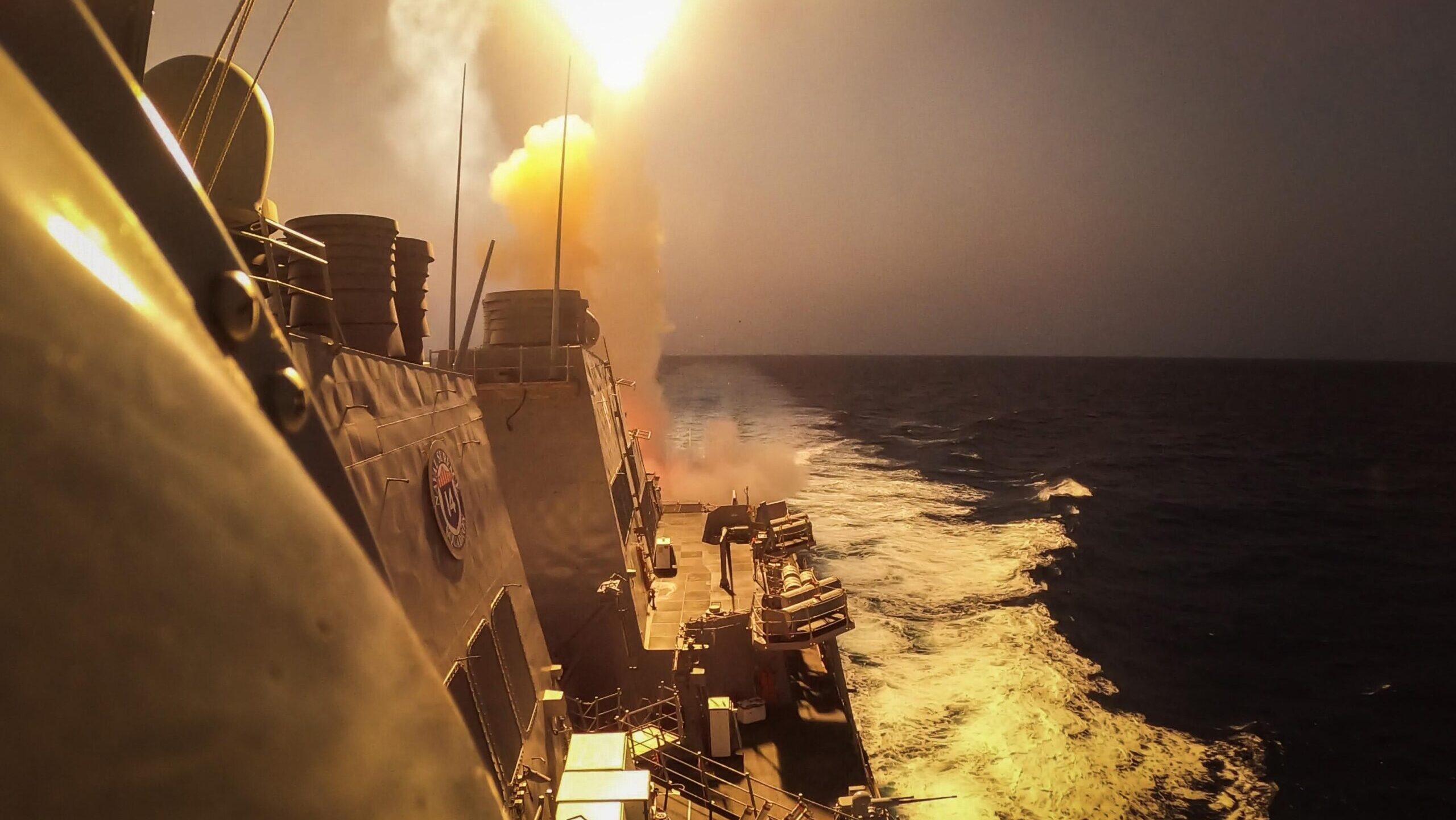
Lessons from Red Sea action spurring investment and innovation in missile defense
The demand for rocket motors for missiles is acute, with steps being taken to expand domestic production that includes more international cooperation.

The demand for rocket motors for missiles is acute, with steps being taken to expand domestic production that includes more international cooperation.

Rear Adm. William Daly said he believes the service would be best served by a common unmanned craft that can accommodate one of two payloads.
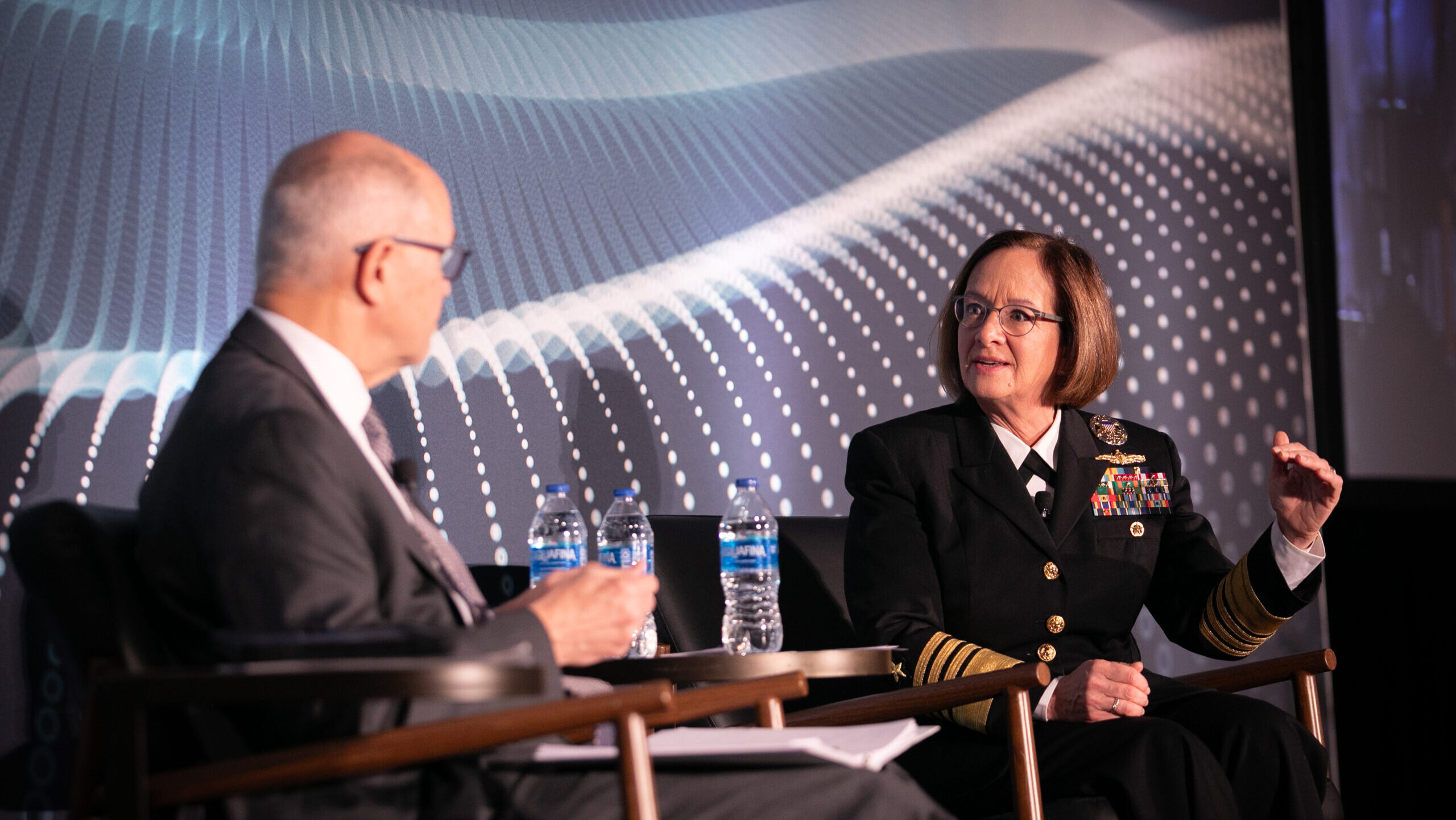
Prioritizing investments in the Navy’s bases and facilities is part of the CNO’s recently published "Navigation Plan" and associated "Project 33," a targeted effort at preparing the service for a conflict with China over Taiwan in 2027.
More Navy leaders as of late have been publicly bemoaning the service's inability to scale functional laser weapon systems.

“The reason why the final gaps in funding were … discovered and actually reported to the Congress is largely because there was a six- to seven-month gap associated with the continuing resolution that the Congress imposed upon the executive branch, and their [Congress] failure to pass budgets on time,” Carlos Del Toro told reporters.
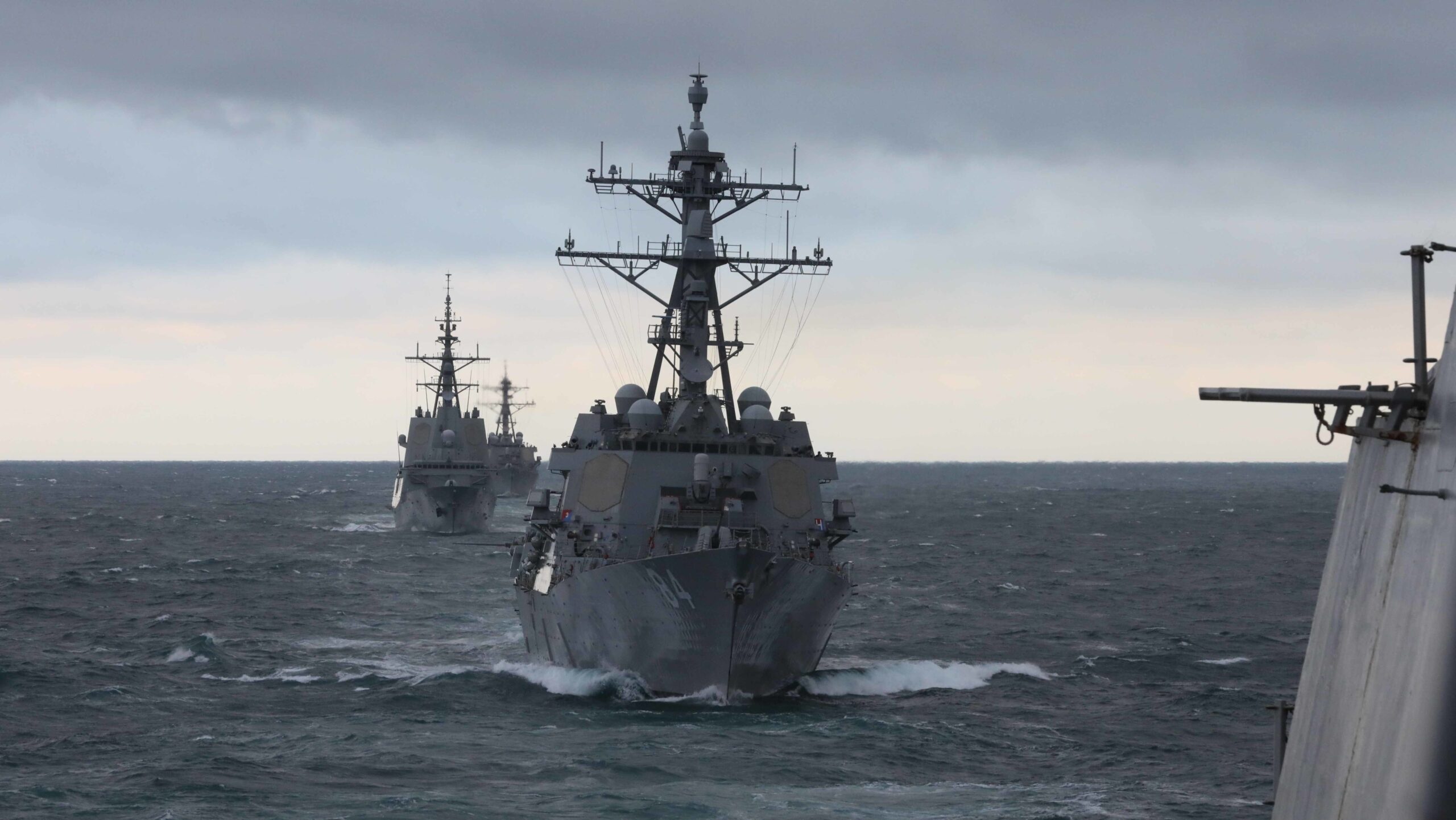
“We can’t continue to do things the way we have been. We can’t just work harder or try harder at the processes that we have so far,” Vice Adm. Brendan McLane told reporters.

The vice chief's remarks represent some of the first public comments Navy leadership has made on the Dec. 22 friendly fire incident.
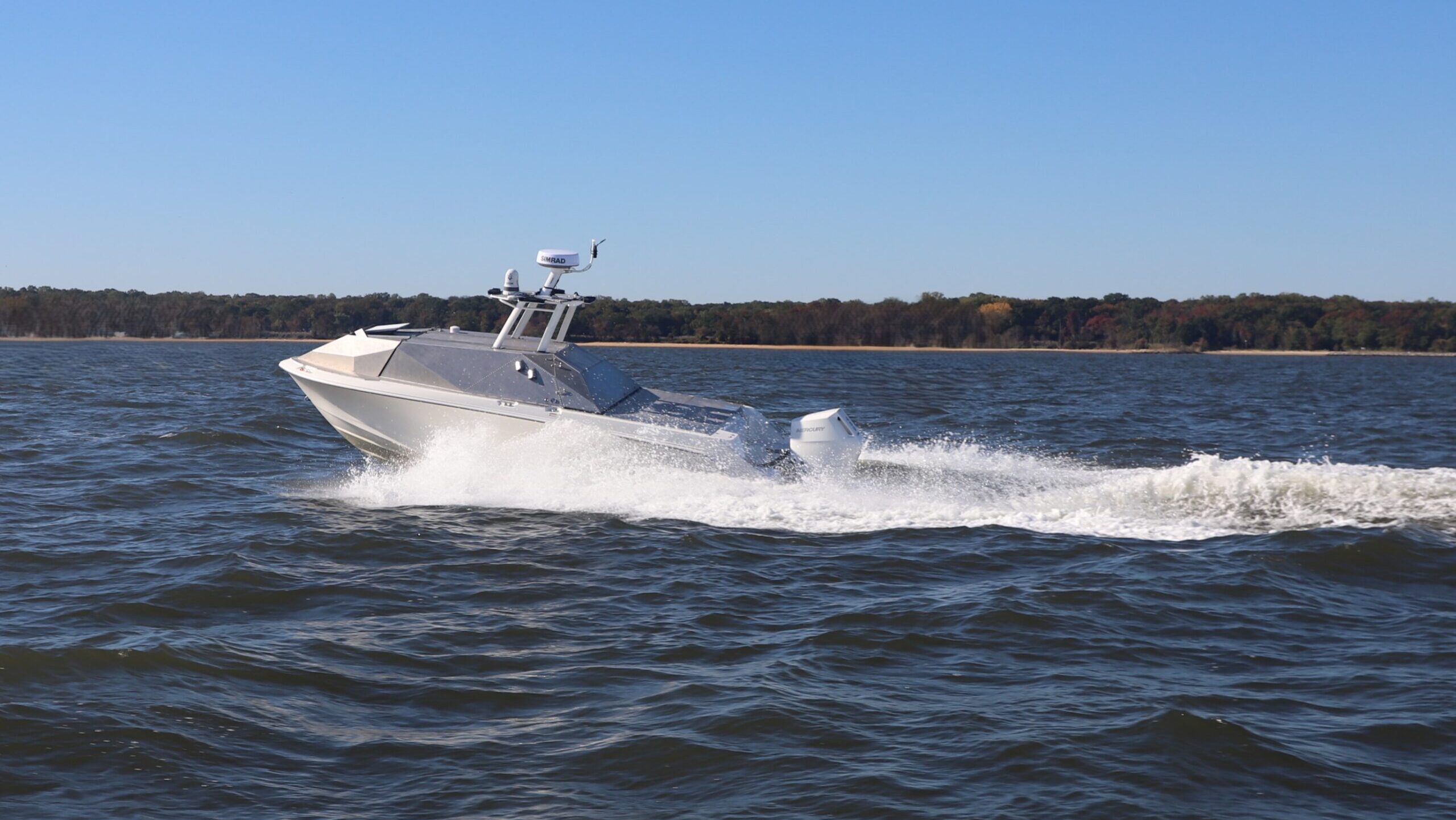
“We look out across the market and evaluate our customers' emerging needs,” David Phillips, a company executive, told reporters. "We’ve been hearing an increased expression of interest in a small, rapidly deployable unmanned surface vehicle that can support a variety of missions beyond mine countermeasures.”

According to a summary of the survey results, 46 percent of respondents indicated the deal will improve their companies’ hiring, retention and training efforts, and 42 percent said the deal would help to “invest in equipment to ensure quality and on-time delivery.”

SAWS "is an innovative approach that increase wages, accelerates submarine production [and] reduces the cost through the [future years]," said HII CEO Chris Kastner.

The $49.9 million award will be fleshed out over a five year period.